Why Commercial Small Animal Control Requires Professional Expertise
People seeking commercial small animal control often want effective removal and prevention, which local service providers can deliver through professional expertise and specialized techniques.
Understanding why commercial small animal control requires professional expertise is essential for property owners facing these common challenges. Small animals such as rodents, raccoons, or squirrels can cause significant damage to buildings, electrical systems, and stored goods, leading to costly repairs and disruptions. Engaging experienced service providers ensures that these issues are handled effectively and safely, minimizing risks and preventing recurring problems. Property owners in the area often explore this topic to find reliable solutions that protect their investments and maintain a secure, functional environment.
Local contractors specializing in commercial small animal control bring practical knowledge and hands-on experience to address these complex situations. They understand the unique aspects of managing small animal issues in commercial settings, from identifying entry points to implementing humane and effective removal strategies. By working with trusted service providers, property owners can ensure that the job is done correctly the first time, reducing the likelihood of future infestations and damage. Keep reading to learn more about how professional expertise makes a difference in managing small animal challenges on commercial properties.
- Commercial rodent exclusion - when businesses face persistent rodent entry issues, local contractors use specialized techniques to effectively seal entry points and prevent future infestations.
- Wildlife removal for commercial properties - if animals like raccoons or squirrels are found nesting on-site, experienced service providers employ humane and effective removal methods.
- Integrated pest management for small animals - in cases of ongoing nuisance wildlife, local experts develop comprehensive plans that address the root causes of infestations.
- Habitat modification services - when businesses need to eliminate attractants around their premises, local pros implement strategies to reduce wildlife appeal and access.
- Structural repairs for wildlife damage - if small animals have caused damage to buildings or infrastructure, service providers perform repairs to restore integrity and prevent re-entry.
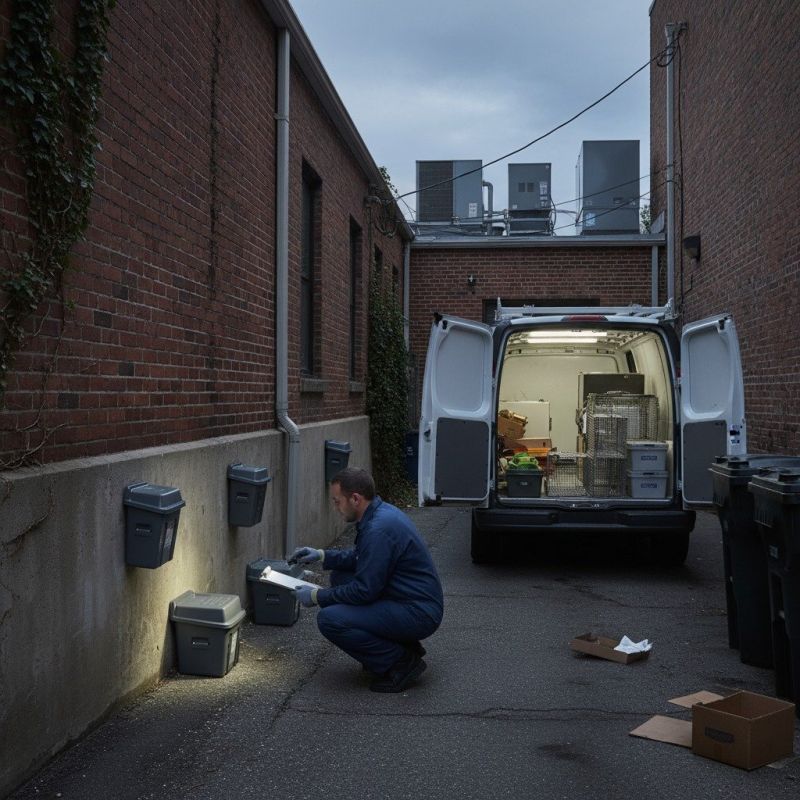
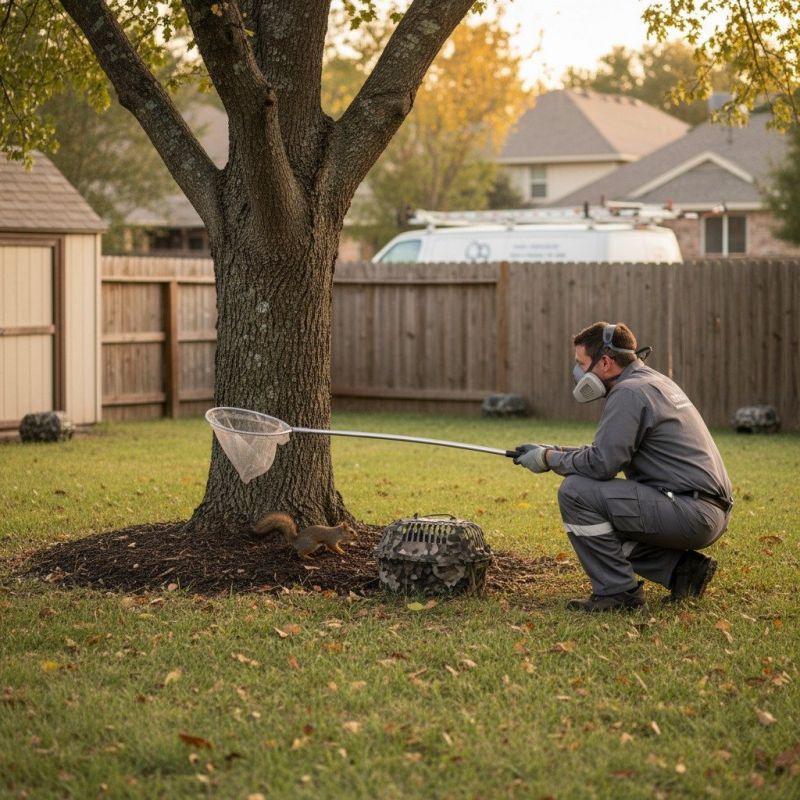
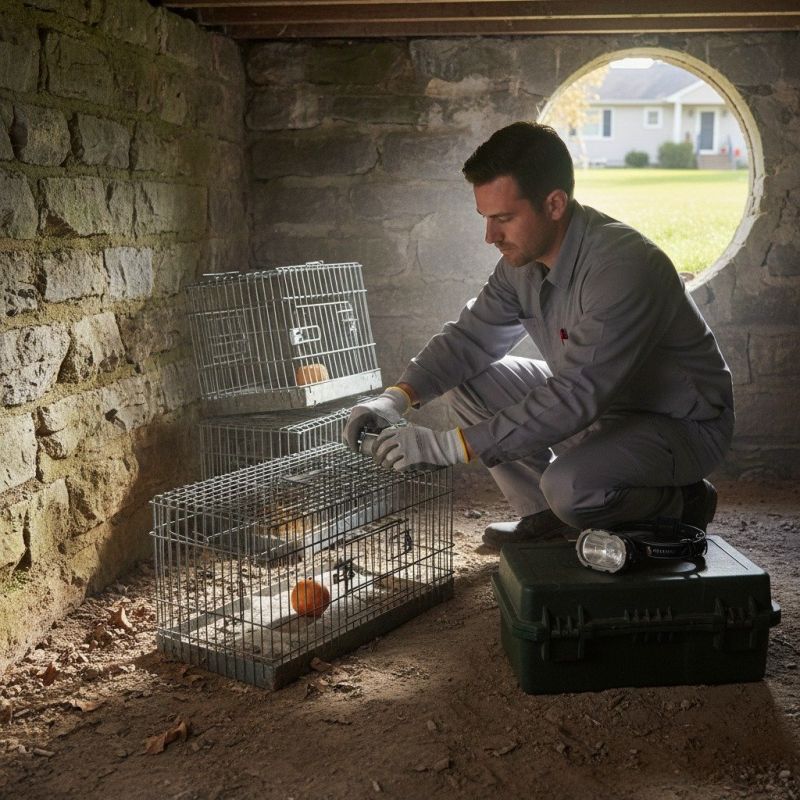
When people search for why commercial small animal control requires professional expertise, they often want to understand the complexities involved in managing pests like rodents, raccoons, or other small wildlife on business properties. These searches typically stem from concerns about property damage, health risks, or the need to comply with regulations that protect both employees and customers. Property owners and managers recognize that tackling these issues isn't just about removing animals but involves understanding their behavior, entry points, and the best methods to prevent future problems. They are seeking guidance on how experienced service providers can deliver effective, long-term solutions that address the root causes rather than just the symptoms.
Commercial small animal control relates to a variety of property types, including office buildings, warehouses, retail centers, and industrial sites. These properties often feature structures with access points such as vents, utility openings, or gaps in walls that small animals can exploit. The presence of wildlife can lead to contamination of food supplies, damage to insulation or wiring, and unsanitary conditions that threaten business operations. The plans associated with these properties involve not only removing animals but also sealing entry points, implementing ongoing monitoring, and establishing preventive measures. These tasks require a nuanced understanding of animal behavior and building vulnerabilities, which is why professional expertise is essential.
Handling small animal infestations on commercial properties presents unique challenges that differentiate them from residential situations. Commercial sites tend to be larger, with complex layouts and multiple access points, making inspection and exclusion more complicated. Additionally, the presence of sensitive equipment, stored goods, or food products can restrict certain removal methods and require specialized approaches. Local service providers with experience in commercial small animal control understand how to navigate these complexities safely and efficiently. They can assess the specific risks associated with each property, develop tailored plans, and execute them with precision-ensuring that the property remains operational and compliant with health standards.
The importance of professional expertise in commercial small animal control is also rooted in the need for ongoing prevention strategies. Simply removing animals without addressing how they entered or how to prevent future access can lead to recurring problems. Experienced service providers are equipped to identify vulnerabilities in building structures, recommend modifications, and establish ongoing monitoring systems. They understand the local wildlife behaviors and can adapt their strategies accordingly. For property owners, this means working with knowledgeable contractors who can deliver comprehensive solutions that protect the property’s integrity, safeguard health, and minimize disruptions to daily operations. This expertise ultimately helps ensure that pest issues are resolved effectively and sustainably.
Wildlife exclusion projects - professionals use specialized tools and planning to safely remove and prevent small animals from commercial properties, similar to the skills needed in small animal control.
Building inspection and damage assessment - identifying entry points and structural vulnerabilities requires expertise comparable to locating animal access points in commercial settings.
Pest prevention and barrier installation - installing effective barriers to keep animals out involves planning and techniques that align with commercial small animal control methods.
Rodent and pest proofing services - sealing and securing buildings against unwanted entry mirrors the preventative strategies used in small animal control for commercial sites.
Habitat modification projects - altering environments to discourage animal nesting or sheltering involves understanding animal behaviors similar to small animal control tactics.
Wildlife trapping and relocation services - safe and humane trapping techniques are essential skills shared with commercial small animal control professionals.
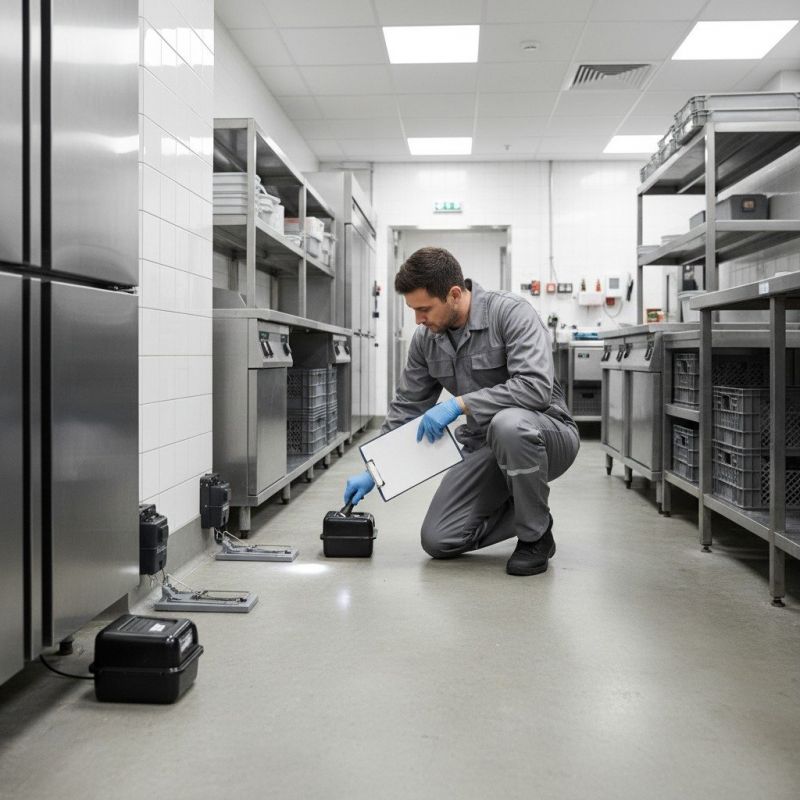
When evaluating service providers for commercial small animal control, it is important to consider their experience with similar projects. Local contractors who have handled commercial settings or specific types of small animal issues are more likely to understand the unique challenges and requirements of such environments. Their familiarity with the local area and common species can contribute to more effective and efficient solutions, reducing the risk of recurring problems or overlooked issues. Asking about past projects or seeking references can provide insight into their practical experience and success in managing commercial small animal control situations.
Clear written expectations are essential when comparing local pros for commercial small animal control services. A detailed scope of work, including the methods used, the extent of the service, and any follow-up procedures, helps ensure that both parties are aligned on what will be delivered. This clarity minimizes misunderstandings and provides a basis for evaluating whether a contractor’s approach matches the specific needs of the commercial property. Well-defined expectations also serve as a foundation for accountability, making it easier to assess the quality and thoroughness of the work once completed.
Reputable references and strong communication are key factors when selecting a local contractor for commercial small animal control. Service providers who can provide references from previous clients demonstrate transparency and a track record of reliable service. Good communication throughout the process ensures that questions are answered, concerns are addressed, and adjustments can be made as needed. This ongoing dialogue helps foster confidence in the contractor’s professionalism and commitment to delivering a comprehensive solution tailored to the unique demands of commercial properties.
Property owners often search for why commercial small animal control requires professional expertise when they are planning practical projects around their homes and businesses. Local pros provide Commercial Small Animal Control services for everyday jobs and straightforward project options.
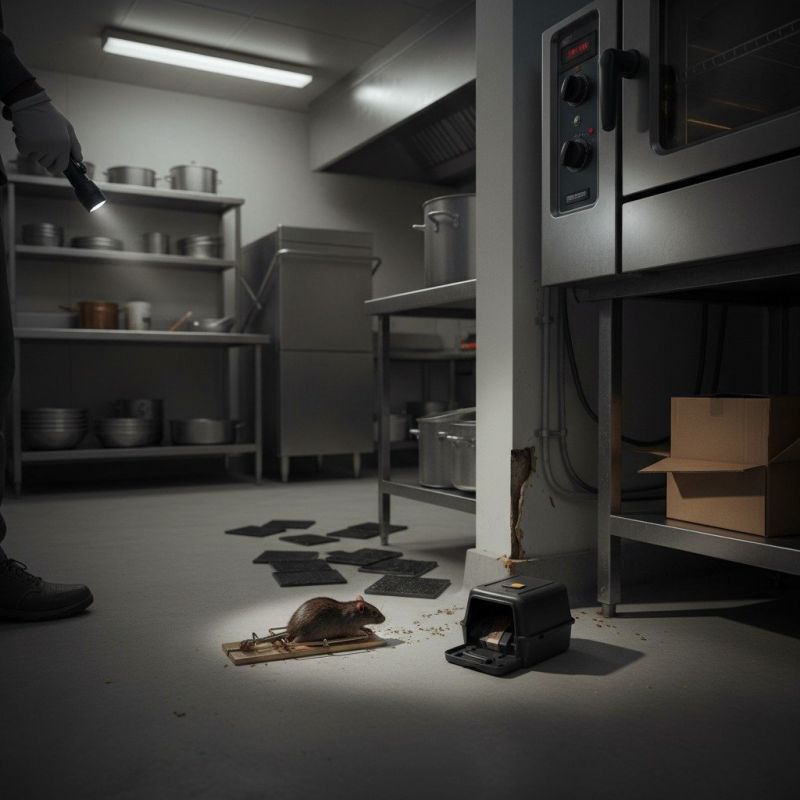
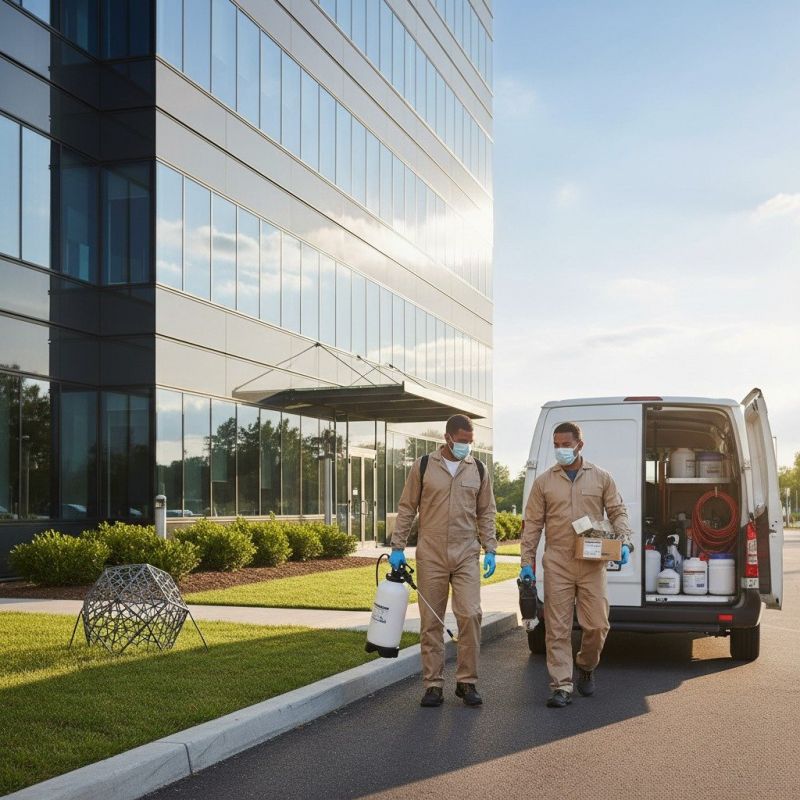
Understanding why commercial small animal control requires professional expertise is essential for property owners dealing with unexpected animal intrusions on their sites. Everyday situations, such as noticing signs of rodents or small mammals in storage areas, attics, or around building foundations, highlight the importance of skilled intervention. Local contractors experienced in commercial animal control can accurately identify the specific types of animals involved, assess the extent of the problem, and implement effective removal strategies. This helps prevent further damage to structures, reduces health risks, and ensures that the issue is handled efficiently without disrupting daily operations.
Many property owners turn to local service providers because small animal control can be more complex than it appears. Improper removal methods or attempts to handle the problem without proper knowledge can lead to recurring infestations or even safety hazards. Professional contractors possess the necessary expertise to use appropriate techniques and equipment tailored to commercial environments. They are also familiar with local regulations and best practices, making them a reliable choice for ensuring that animal control efforts are thorough and compliant. This expertise ultimately helps property owners protect their investments and maintain a safe, animal-free space.
Why is it important to hire professionals for commercial small animal control? Professionals have the expertise to identify the specific types of animals involved and implement effective, humane removal methods that comply with local regulations.
What risks are associated with DIY small animal control in commercial settings? Attempting to handle small animal control without expertise can lead to incomplete removal, property damage, or safety hazards for staff and visitors.
How do local contractors ensure the problem is fully resolved? Experienced service providers conduct thorough inspections, utilize appropriate tools, and apply proven techniques to ensure animals are effectively removed and prevented from returning.
Why is specialized knowledge necessary for handling different types of small animals? Different animals require different removal strategies and safety precautions; professionals understand these differences to ensure humane and effective control.
What advantages do professional small animal control services offer for commercial properties? They provide tailored solutions, minimize disruption, and help maintain a safe, animal-free environment essential for business operations.
Understanding wildlife behavior - local contractors can assess how small animals are likely to enter and move through a property, helping owners develop effective exclusion strategies.
Identifying entry points - professionals can locate and seal common access points that might be overlooked, preventing future animal intrusions during a project.
Implementing humane removal methods - experienced service providers use techniques that safely and ethically remove animals without causing harm.
Ensuring long-term prevention - experts can recommend ongoing measures to keep small animals out, based on the specific needs of the property and local wildlife patterns.
If you are thinking about why commercial small animal control requires professional expertise for a property, this guide is meant to help you understand this topic, the typical project types, and how different options might fit your plans.
When you are ready, you can use the quote form on this page to share a few details about your project. From there, local pros can review the basics and follow up with options that match what you have in mind.