What to Expect During a Professional Wildlife Removal Visit
People seeking wildlife removal typically want safe, humane removal of animals from their property, and local service providers can handle the job professionally and effectively.
Understanding what to expect during a professional wildlife removal visit can help property owners feel more prepared and confident when addressing unwanted animal intrusions. Typically, these visits involve a thorough inspection of the property to identify signs of wildlife activity and determine the best approach for humane removal. Local contractors often use specialized techniques to safely and effectively handle a variety of pests, ensuring that animals are removed without unnecessary damage to the property. Knowing what steps are involved can make the process smoother and less stressful for homeowners dealing with nuisance wildlife.
For those in the area considering wildlife removal services, it's helpful to understand that these visits usually include a combination of inspection, animal removal, and recommendations for preventing future issues. Professional service providers prioritize humane methods and aim to minimize disruption during their visit. By exploring what to expect during a wildlife removal appointment, property owners can better evaluate their options and feel assured that local experts are equipped to handle the situation efficiently and responsibly.
- Wildlife exclusion - when animals have entered a property and need to be safely removed and prevented from returning, local contractors will assess entry points and implement humane exclusion methods.
- Nuisance wildlife removal - if animals are causing disturbances or damage, service providers will identify the species involved and use appropriate removal techniques.
- Habitat modification - to discourage wildlife from returning, pros may recommend or perform habitat adjustments around the property.
- Attic and crawl space inspections - during a visit, local experts will examine hidden areas for signs of wildlife activity and determine the best removal approach.
- Wildlife damage repair - if property damage has occurred, service providers can advise on or perform repairs to restore the affected areas.
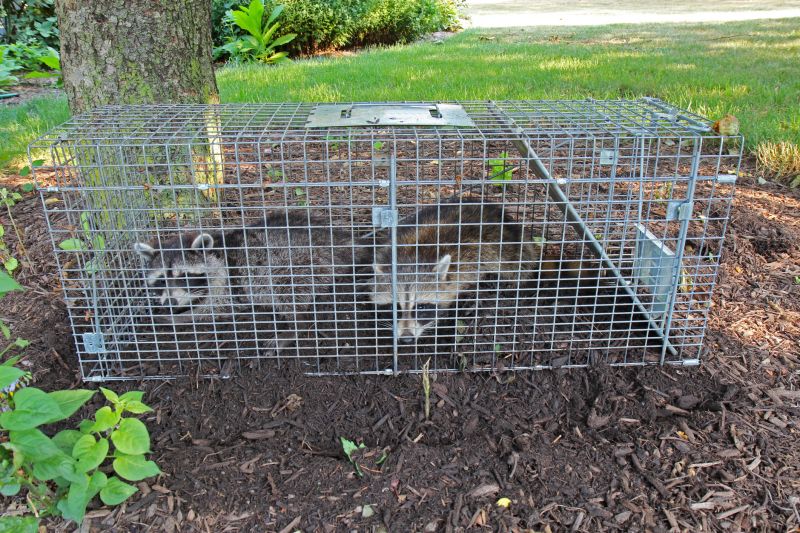
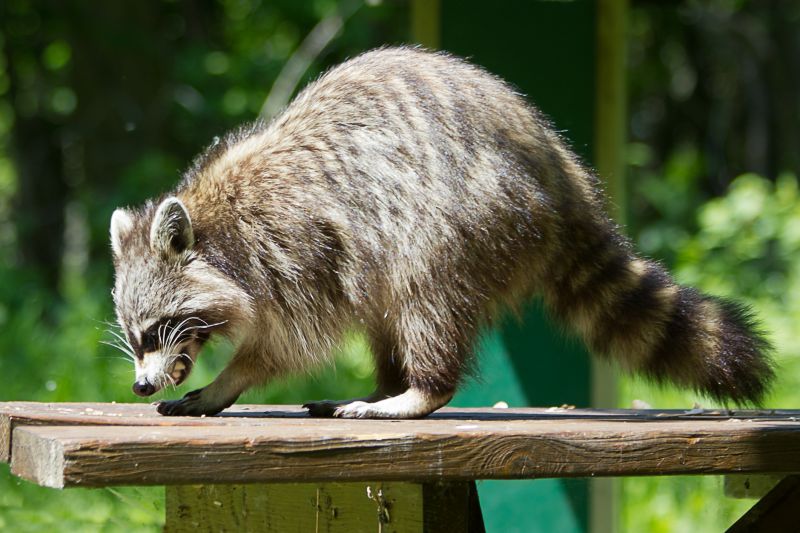
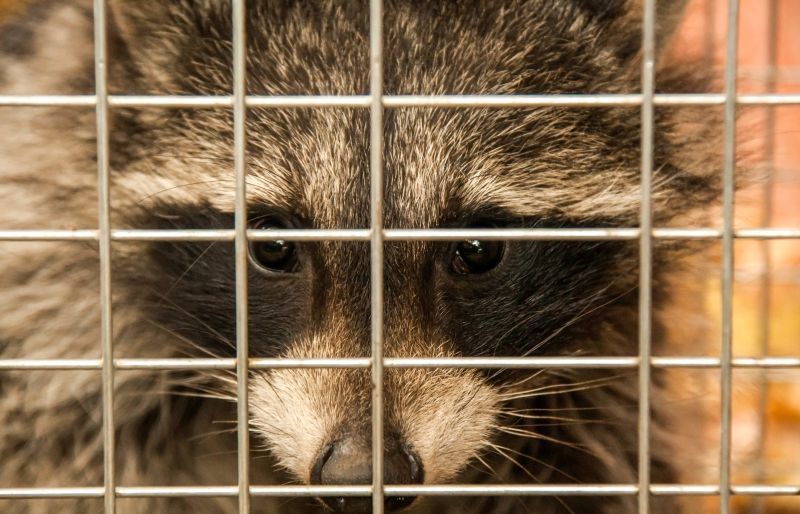
When searching for information about what to expect during a professional wildlife removal visit, homeowners are often looking for a clear understanding of how the process unfolds and what steps are involved. Typically, this topic relates to situations where unwanted animals-such as raccoons, squirrels, bats, or birds-have taken up residence in or around a property. People want to know how the removal process works, how long it might take, and what measures are taken to ensure animals are handled humanely and safely. Understanding these aspects helps homeowners feel more prepared and reassured that experienced service providers will manage the situation effectively.
Wildlife removal visits usually address problems where animals have entered homes, attics, garages, or other structures, causing damage or creating health concerns. Many property owners seek professional help when their initial attempts to remove animals have failed or when the problem is beyond simple DIY solutions. These visits often involve inspecting the property to identify entry points, animal activity, and nesting sites. Additionally, homeowners may be planning preventative measures to avoid future intrusions. Local service providers are equipped to handle a variety of scenarios, from emergency removals to long-term exclusion strategies, ensuring that the property is restored and protected.
The types of properties that commonly come up during wildlife removal visits include residential homes, especially those with accessible attics, crawl spaces, or rooflines. Farms, barns, and other rural structures are also frequently involved, as they tend to attract wildlife seeking shelter or food. Urban and suburban properties are not exempt, particularly when animals find entry points through vents, chimneys, or poorly sealed windows. Regardless of property type, the focus during a removal visit is to safely and humanely remove the animals, identify how they gained access, and implement solutions to prevent re-entry. Local service providers are familiar with the specific challenges posed by different property styles and can tailor their approach accordingly.
During a typical wildlife removal visit, homeowners can expect a thorough inspection of the property to locate animal entry points and signs of activity. The process often begins with a visual assessment, sometimes supplemented by specialized tools or equipment to detect hidden nests or pathways. Once the animals are identified, service providers will employ humane removal methods, which may include trapping or exclusion techniques. After animals are removed, the focus shifts to sealing entry points and repairing any damage to prevent future intrusions. Homeowners should understand that the goal is to resolve the problem safely and efficiently, with minimal disruption, while ensuring the property remains protected against future wildlife issues.
Exclusion Services - local contractors use specialized techniques to seal entry points, similar to wildlife removal efforts, ensuring animals cannot return after removal.
Nesting Removal - professionals remove nests built by birds or rodents, requiring careful planning and tools to prevent damage and ensure complete clearance.
Damage Repair - wildlife often causes structural damage, and service providers may perform repairs that align with the skills used during wildlife exclusion and cleanup.
Animal Trapping - trapping services involve setting humane traps, a skill shared with wildlife removal, to safely capture animals before relocation.
Sanitation and Cleanup - cleaning after wildlife removal involves removing droppings and debris, requiring thoroughness similar to other pest or animal control projects.
Preventive Pest Control - local contractors may offer ongoing prevention to keep animals from returning, a logical extension of wildlife removal planning and execution.
When comparing wildlife removal service providers, it is important to consider their experience with projects similar to your situation. Homeowners should inquire about how many wildlife removal jobs they have completed that involve the specific animals or issues present in their property. A contractor with a proven track record in handling comparable cases is more likely to understand the nuances of the work and provide effective solutions. This experience can help ensure that the removal process is handled efficiently and that any potential challenges are anticipated and addressed appropriately.
Clear, written expectations are essential when evaluating local contractors for wildlife removal services. Homeowners should seek detailed descriptions of what the visit will entail, including the steps involved in assessing the problem, the methods used for removal, and any follow-up actions necessary. Having this information in writing helps set realistic expectations and provides a reference point for the scope of work. It also encourages transparency and accountability, making it easier to compare different providers based on the thoroughness and clarity of their communication.
Reputable references and good communication are key factors in choosing a reliable wildlife removal service provider. Homeowners should ask for references or reviews from previous clients to gain insight into the contractor’s professionalism and quality of work. Additionally, effective communication throughout the process-such as responsiveness to questions and clarity in explanations-can greatly influence the overall experience. Service providers who prioritize clear, open dialogue and demonstrate a history of satisfied clients are often better equipped to meet homeowner needs and ensure a smooth, predictable wildlife removal visit.
Property owners often search for what to expect during a professional wildlife removal visit when they are planning practical projects around their homes and businesses. Local pros provide Wildlife Removal services for everyday jobs and straightforward project options.
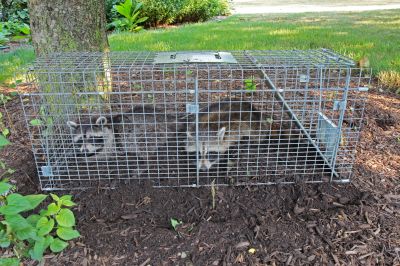
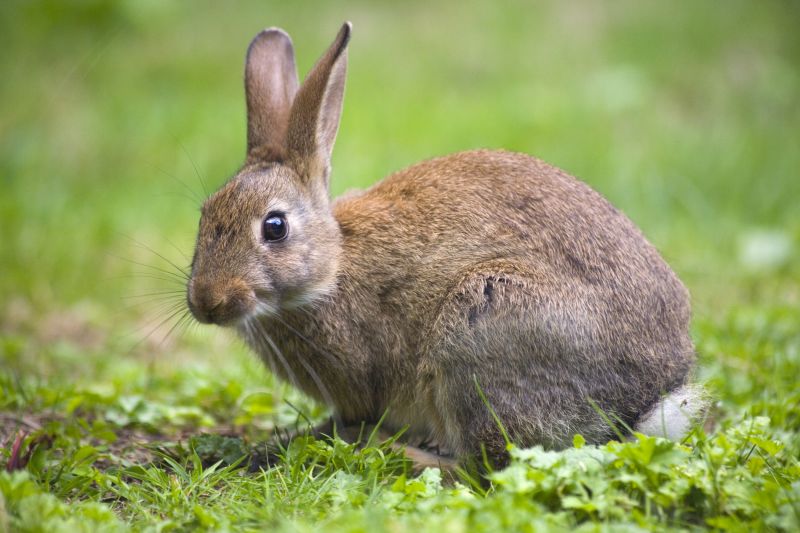
During a professional wildlife removal visit, property owners can typically expect the service provider to conduct a thorough inspection of the affected areas. This assessment helps identify the type of wildlife involved, entry points, and the extent of the problem. Common situations include animals like raccoons, squirrels, or bats nesting in attics, crawl spaces, or chimneys. Local contractors usually look for signs of activity, such as droppings, damage, or noise, to determine the best approach for safe removal and exclusion. Property owners often seek these services to address unexpected animal intrusions that can cause damage or pose health concerns.
Once the inspection is complete, wildlife removal specialists will implement targeted strategies to safely remove the animals and prevent future entries. This process may involve humane trapping, sealing entry points, or installing barriers. During the visit, property owners might observe the technician working carefully around their property, often with minimal disruption. Many local service providers prioritize humane methods and focus on ensuring animals are removed safely and effectively. Understanding what to expect during a professional wildlife removal visit can help property owners feel more prepared for the process and confident that experienced professionals are handling the situation.
What should I expect during a professional wildlife removal visit? During a wildlife removal visit, local service providers typically assess the affected areas, identify entry points, and develop a plan to safely remove the animals. They may also inspect for signs of damage or potential entry spots to prevent future issues.
Will the wildlife removal professional perform any repairs? In many cases, local contractors may include or recommend repairs to seal entry points and prevent animals from returning, ensuring the problem is fully addressed during or after the removal process.
How do wildlife removal experts handle the animals? Professionals usually use humane methods to safely trap and remove wildlife, ensuring animals are relocated or handled according to local guidelines, with minimal stress or harm.
What equipment do wildlife removal specialists use during a visit? Local pros often utilize specialized traps, protective gear, and inspection tools to safely and efficiently carry out the removal process while minimizing disruption to your property.
Is any cleanup involved after a wildlife removal visit? Cleanup may be part of the service, including removing droppings, nesting materials, and disinfecting affected areas to restore safety and cleanliness after the animals are removed.
Inspection process - Property owners can prepare by identifying visible signs of wildlife activity to help local contractors focus their inspection efforts.
Understanding removal methods - Learning about different removal techniques allows property owners to see how professionals safely and effectively handle wildlife intrusions.
Post-removal procedures - Knowing what cleanup and repairs are involved helps property owners plan for restoring their space after wildlife removal services.
Preventative advice - Receiving tips on securing entry points and maintaining property defenses can assist owners in avoiding future wildlife issues.
If you are thinking about what to expect during a professional wildlife removal visit for a property, this guide is meant to help you understand this topic, the typical project types, and how different options might fit your plans.
When you are ready, you can use the quote form on this page to share a few details about your project. From there, local pros can review the basics and follow up with options that match what you have in mind.